
Despite its small size and population, Brunei stands out for its impressive economic strength and high living standards. The country’s wealth is primarily derived from its vast hydrocarbon reserves, first discovered in 1929. Today, Brunei boasts the second-highest Human Development Index (HDI) among Southeast Asian nations, trailing only Singapore, with whom it shares strong bilateral ties, alongside its neighbors Malaysia and Indonesia.
Traditionally, Brunei has relied heavily on imports to meet its agricultural and food needs. However, the country is now focusing on diversifying its economy to reduce its dependence on oil and gas exports. Efforts are underway to boost domestic food production, with plans to revitalize the fisheries sector, and expand the cultivation of vegetables, fruits, and rice. As the only nation entirely situated on the island of Borneo, Brunei also sees significant potential in ecotourism, leveraging its pristine rainforests to attract visitors. The downstream oil and gas industries form a key part of Brunei’s diversification strategy. This includes the production of fertilizers, with Brunei Fertilizer Industries established in 2013.
Muara Port provides critical access to both the Indian and Pacific Oceans, facilitating trade. In 2023, Brunei exported over 600,000 tons of urea, with plans to further enhance the environmental sustainability of these operations. Brunei’s connectivity infrastructure is robust, with 92% of the population covered by mobile networks and a 94% fiber broadband penetration rate. The Vision 2035 Strategic Plan aims to harness technology and digital connectivity to enhance the quality of life for its citizens. The recent launch of a 5G network is a testament to the country’s forward-thinking approach. Brunei has been a regional leader in societal well-being and peace, and it is now poised for even greater progress.

Digital Transformation
Digital Brunei is the entity pushing for greater awareness of digital technologies in the country, keeping up with the latest developments and creating a dialogue about the digital transformation for policies to be carried through to execution. It aims for increased productivity, greater efficiency, better governance and transparency and wider and more accessible transactions for people and businesses.
Digital transformation is part of the sultanate’s Wawasan (Vision) 2035 agenda. Its Minister of Transport talks of the country being a smart, connected nation and the establishment of Datastream Digital has moved the telecoms sector to a more techno-centric approach including capitalizing on the latest trends such as digital payments and e-commerce. The Ministry of Education is also embarking on a program of digital transformation, ensuring the next generation understands the latest trends and equipping them with all the skills needed for living and thriving in a smart nation.
Investment Opportunities
Five areas have been highlighted in Brunei’s Wawasan (Vision) 2035 goals, which include downstream oil and gas, food production, tourism, services (including aviation and maritime) and ICT. The country encourages foreign direct investment through the Brunei Economic Development Board (BEDB) which promotes Brunei as an investment destination to move its economy away from oil and gas revenue. BEDB is mandated to work with foreign and domestic investors to develop new economic opportunities where Brunei has competitive advantages.
Brunei has one of the most liberal tax regimes in the region with its corporate income tax being one of the lowest. There are also no taxes on personal income, sales, payroll, export, capital gains or manufacturing. US goods and services trade with Brunei totaled an estimated $276 million in 2022. Exports were $170 million; imports were $106 million and some recent acquisitions from the US include Sikorsky helicopters and Boeing 787 Dreamliners.
Oil and Gas Powerhouse
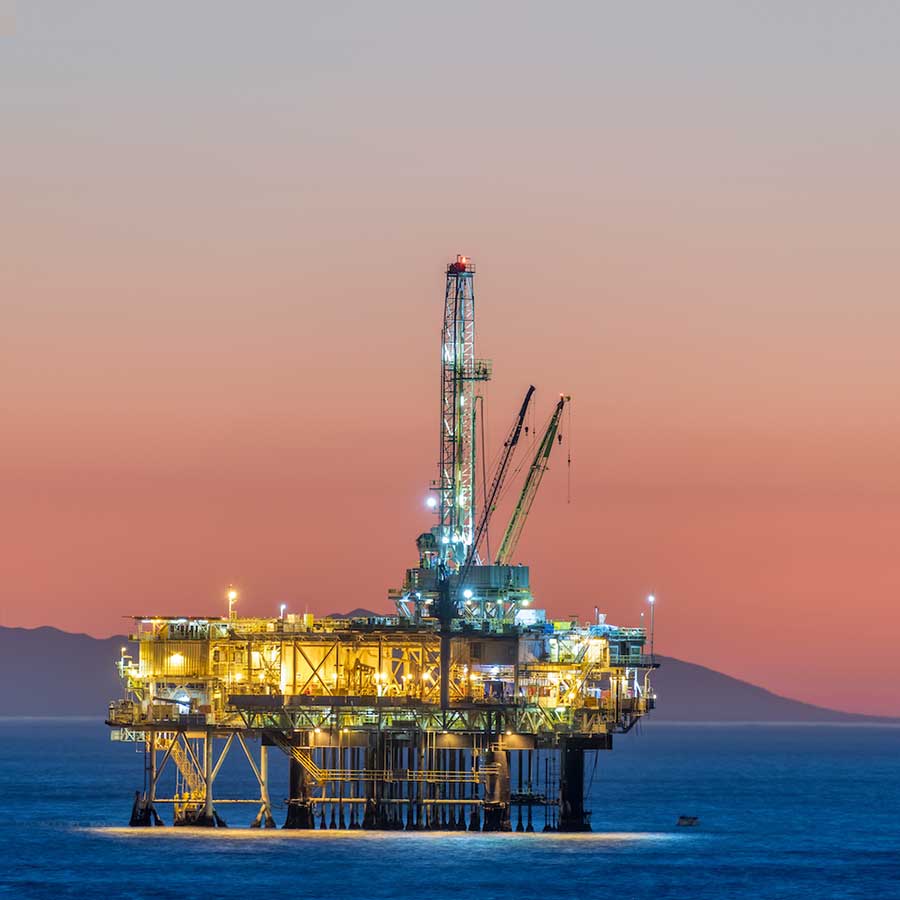
The Brunei government has identified five areas for diversification of its economy, one of which is downstream oil and gas which aims to become a regional chemicals hub. This also allows for a more determined transition into a greener future by extracting more value from natural gas, rather than burning it to provide cooling and energy for homes. A refinery and petrochemical complex is also under construction, a multi-billion dollar project.
The energy sector is the main contributor to the country’s growth with a 64.7% share of GDP in 2022. Brunei Shell Petroleum (BSP) is the largest oil producer in Brunei and contributes around 90% to its oil and gas revenues while new extracting technologies have made the country’s mature fields and deepwater ventures economically viable and the state is focused on attracting new players into its oil and gas ecosystem.
Tourism
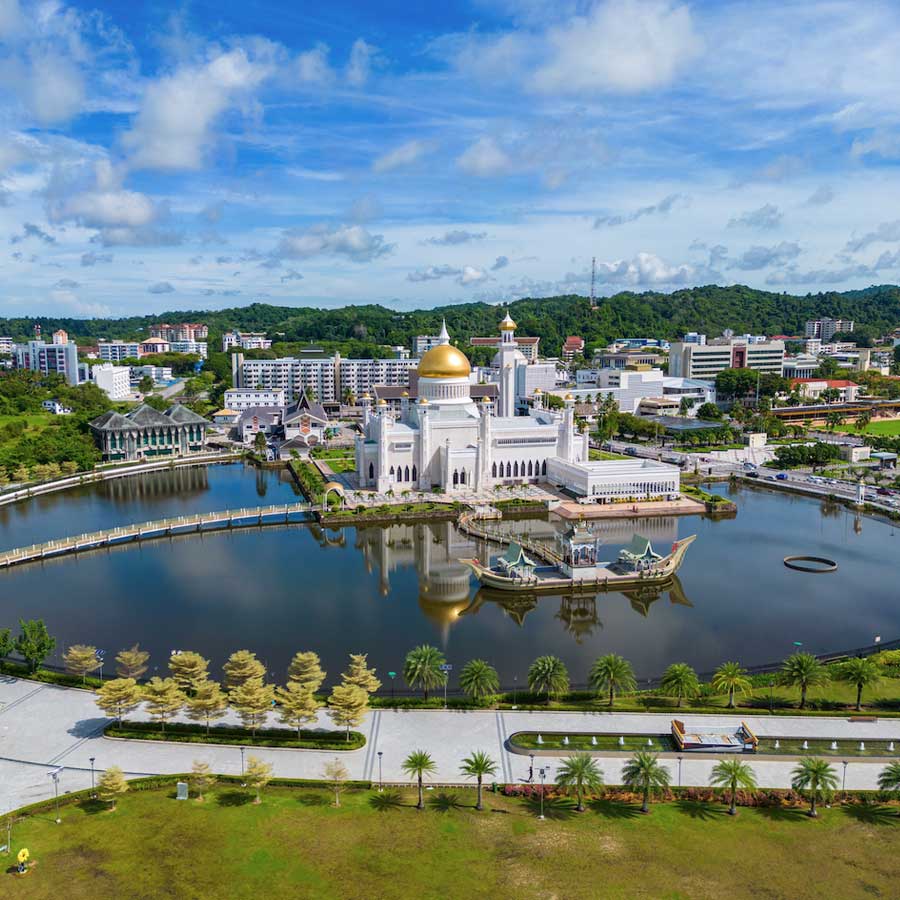
Small does not mean any kind of shortage of things to do in Brunei; fewer people than most US cities does not detract from their vibrancy and vitality. Marketing itself as an abode of peace, Brunei offers dense jungles, unmatched flora and fauna, architectural gems, beaches with crystal clean waters and a lively gastronomic scene. US passport holders can enter visa free and there are numerous tours and guides available to enable them to see the best of the country.
The country offers a wide range of accommodation from international hotels to guest houses and lodges with each region offering something different. The Ministry of Primary Resources and Tourism is also promoting religious tourism to some of the spectacular mosques in the Muslim-majority country. A stable currency, high quality of life and modern and efficient airline fleet also serve to bring in visitors to discover the Sultanate of Brunei.

US-Brunei Relations
The US and Brunei can trace their relationship back to 1850 with the Treaty of Peace, Friendship, Commerce and Navigation which is still in effect. Modern bilateral relations have celebrated their 40th year in 2024, following Brunei’s independence from the UK in 1984. The two countries have an embassy in each other’s capital cities; an MoU on defense cooperation was established ten years later and in 2024, the US-ASEAN Business Council led an in-person mission to Brunei, the first in-person for five years. Mutual areas of cooperation include energy, consulting, and financial services sectors, and U.S. franchises and brands are opening and thriving in Brunei. Trade between the United States and Brunei in 2022 totaled $276 million. The two countries also share membership of several multinational organizations including the World Bank, World Trade Organization and International Monetary Fund.